Organization for Studies and Research

About

The Program

A dynamic and forward-thinking program dedicated to unraveling the complexities of the world through rigorous research and insightful analysis. At OSR, we specialize in providing comprehensive services in market research, social research, and amplifying the voices of young and emerging academicians through commentaries and op-eds.

Our Mission

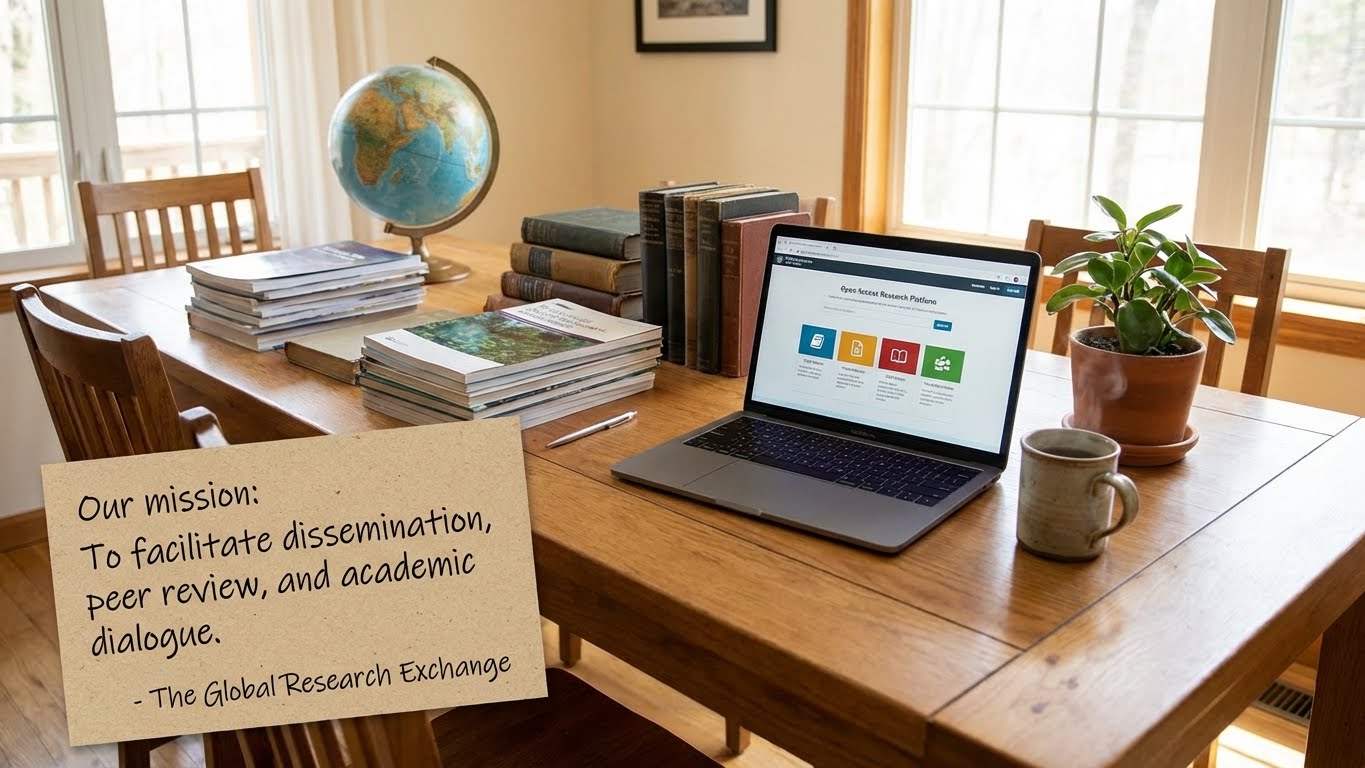
Our mission is to facilitate the dissemination of high-quality research and scholarly works, enabling the global research community to make significant contributions to their respective fields. We aim to provide a platform that supports rigorous peer review, encourages academic dialogue, and promotes the open exchange of ideas.

Our Vision

We envision a world where cutting-edge research and evidence-based insights shape the present and future. We strive to be a catalyst for impactful research, contributing to innovative solutions, informed policies, and transformative advancements in various fields of study.

What are you looking for?

Research Opportunities

Find what you want to speak about and let us know of your opinions. We are waiting to hear from you and so is the world.

Research Services

There are many services that we are offering to ensure better understanding of businesses and more.

Our Researches

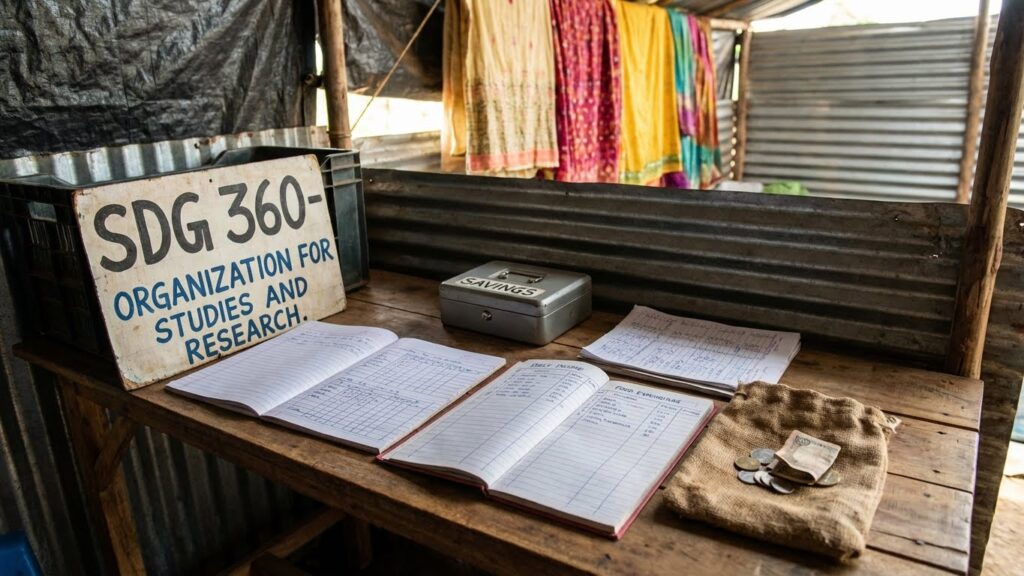
Understanding Socioeconomic Dynamics of Slum Residents

 The ongoing research project at SDG 360’s program, Organization for Studies and Research, aims to gain comprehensive insights into the socioeconomic conditions of slum residents, with a specific focus on their income, expenditure on food, and savings. The project aims to contribute to the understanding of the challenges faced by slum residents in terms of economic stability and provide valuable data for designing targeted interventions to improve their living conditions.

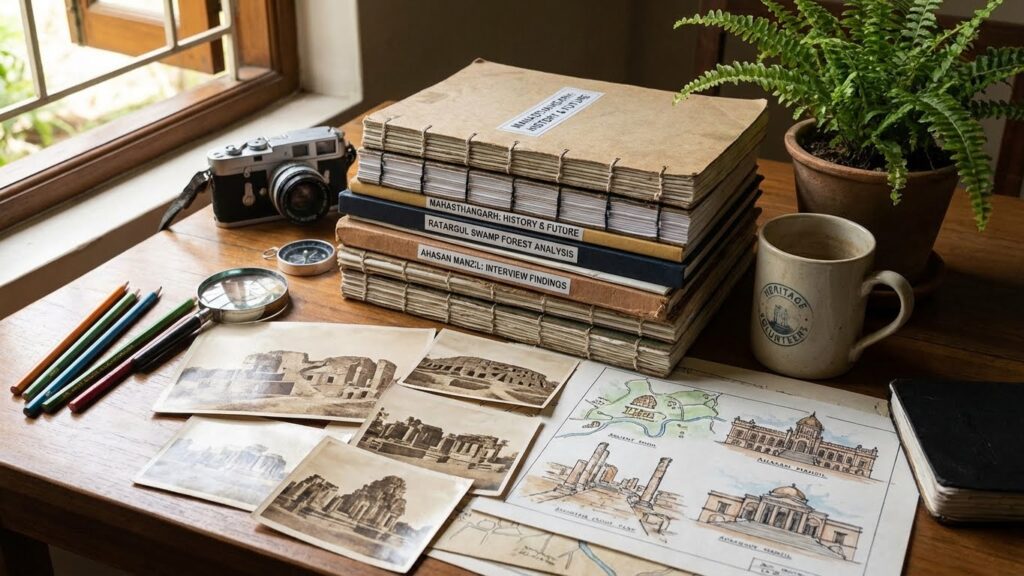
Comprehensive Analysis of Heritage Sites in Bangladesh

Short Details: Our heritage sites were visited by volunteers who created reports analyzing the history, current situation and prospective changes of the heritage locations. These locations are Mahasthangarh in Bogura, Ratargul Swamp Forest in Sylhet, Halud Vihara in Naogaon, Kantajir Mandir in Dinajpur, Mainamati in Cumilla, Panam City in Dhaka, Lalbagh fort in Dhaka, Buddhist Vihar in Paharpur, Ahsan Manzil in Dhaka. Reports were created based on interviews taken.

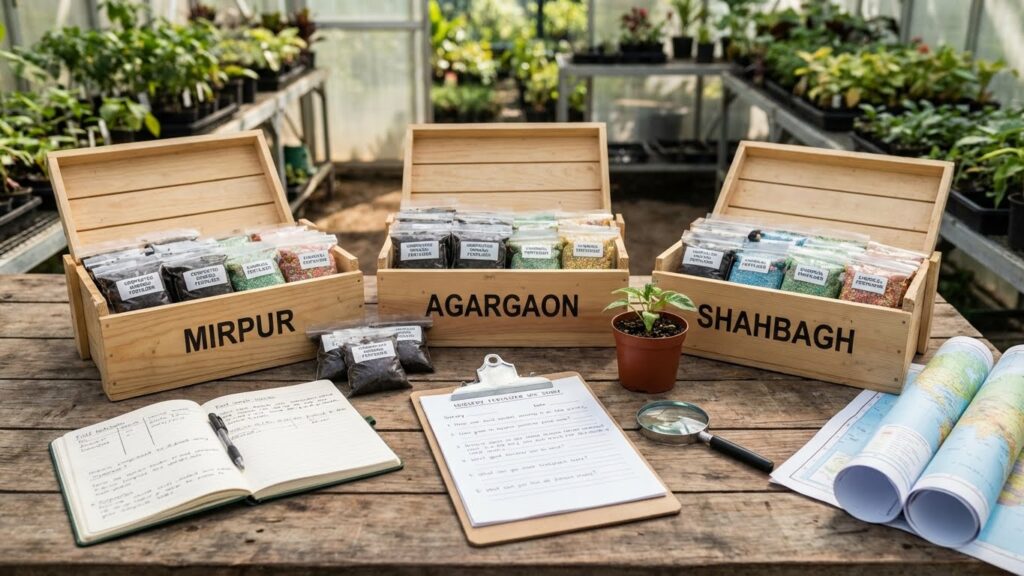
Cost Analysis of Nursery Owners in terms of Organic and Chemical Fertilizers

The research concentrated its efforts within the geographic regions of Mirpur, Agargaon, and Shahbagh. The primary objective was to ascertain the prevalence of organic fertilizer adoption among nursery owners within these locales. Despite a distinct preference among nursery owners for procuring and marketing organic fertilizers due to their superior quality, it was observed that chemical fertilizers hold an advantage in terms of cost-effectiveness.

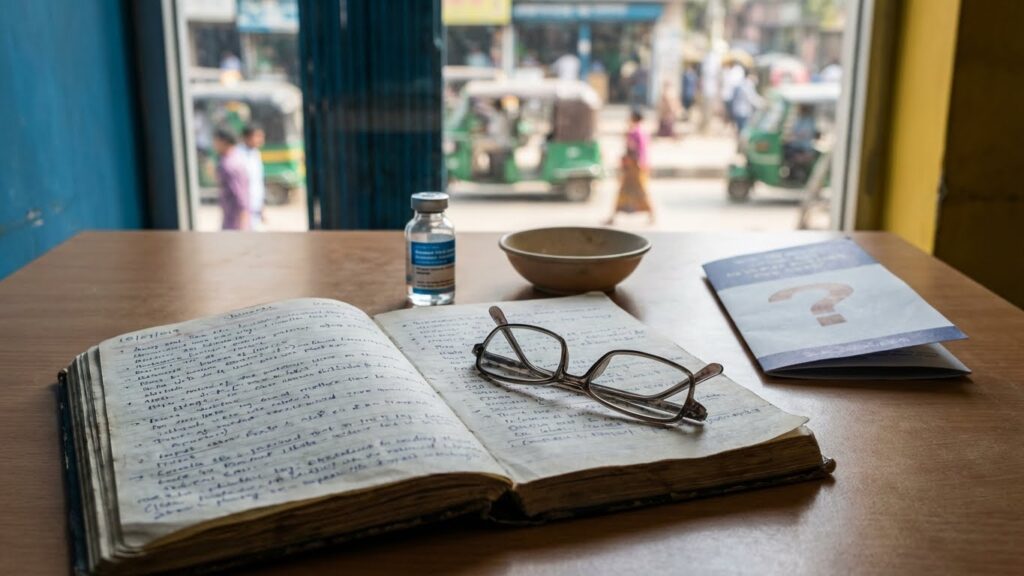
Fatherhood Crisis in Dhaka

The study investigates a societal anathema in infertility especially that of the male population in Dhaka. Through this study, this notion is challenged and investigated further, emphasizing the causes that augment or lead to the fatherhood crisis in males. Characteristically the study adorns a qualitative and hypothetical approach where the impact of malnutrition and health unawareness are critically aligned to justify infertility persistence in urban males.

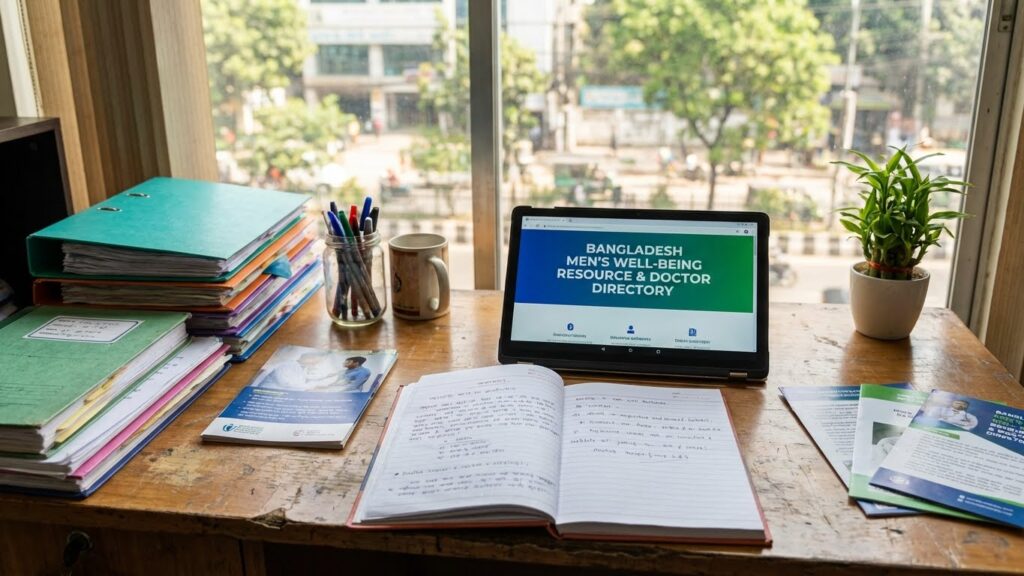
A Resource Toolkit for Men's Fertility in Bangladesh

A resource toolkit created for the male population in Bangladesh based on our research.

A Deep Dive into Childhood Trauma in Men

Childhood trauma, enclosing experiences such as neglect, abuse, and household dysfunction, casts a long shadow over an individual’s development, shaping their psychological landscape in profound ways. While both men and women can be impacted by childhood trauma, research indicates that men often exhibit distinct patterns of emotional regulation and expression as a result of such adverse experiences.

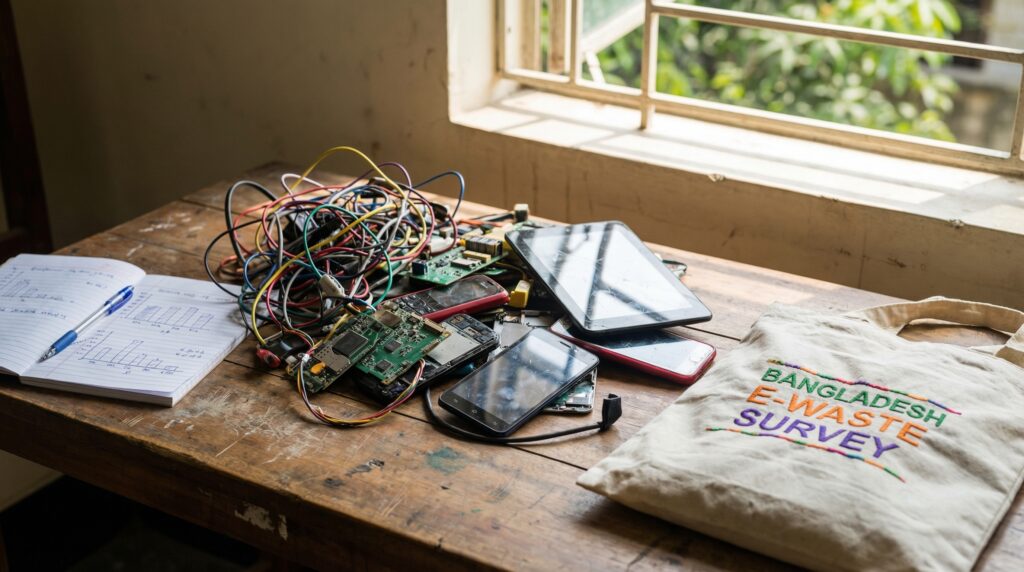
E-Waste Management and Electronic Device Usage in Bangladesh: A Survey Analysis

The report explores the growing challenge of e-waste in Bangladesh, examining how people use, replace, and dispose of their electronic devices. While awareness of environmental risks is high, most users still store old devices at home due to limited access to formal recycling systems. The study highlights the urgent need for better collection infrastructure, stronger awareness of recycling options, and structured management systems to ensure safer and more sustainable e-waste disposal in the country